Categories
Men and Boys Men's Rights

Women Are Some of the Strongest Supporters of Men’s Health

PRESS RELEASE

Contact: Henry Herrera

Telephone: +1-301-801-0608

Email: info@saveservices.org

Women Are Some of the Strongest Supporters of Men’s Health

June 15, 2026 — June is Men’s Health Month, and it’s a time to reflect on a disturbing paradox: Even though men die five years sooner than women, the federal government currently has seven offices of women’s health, and zero offices of men’s health.

In Congress, lawmakers are debating passage of the State of Men’s Health Act, H.R. 7602, that would create the first federal Office of Men’s Health (1). And state lawmakers are reviewing the recent American Medical Association resolution calling on public health departments to establish offices of men’s health (2).

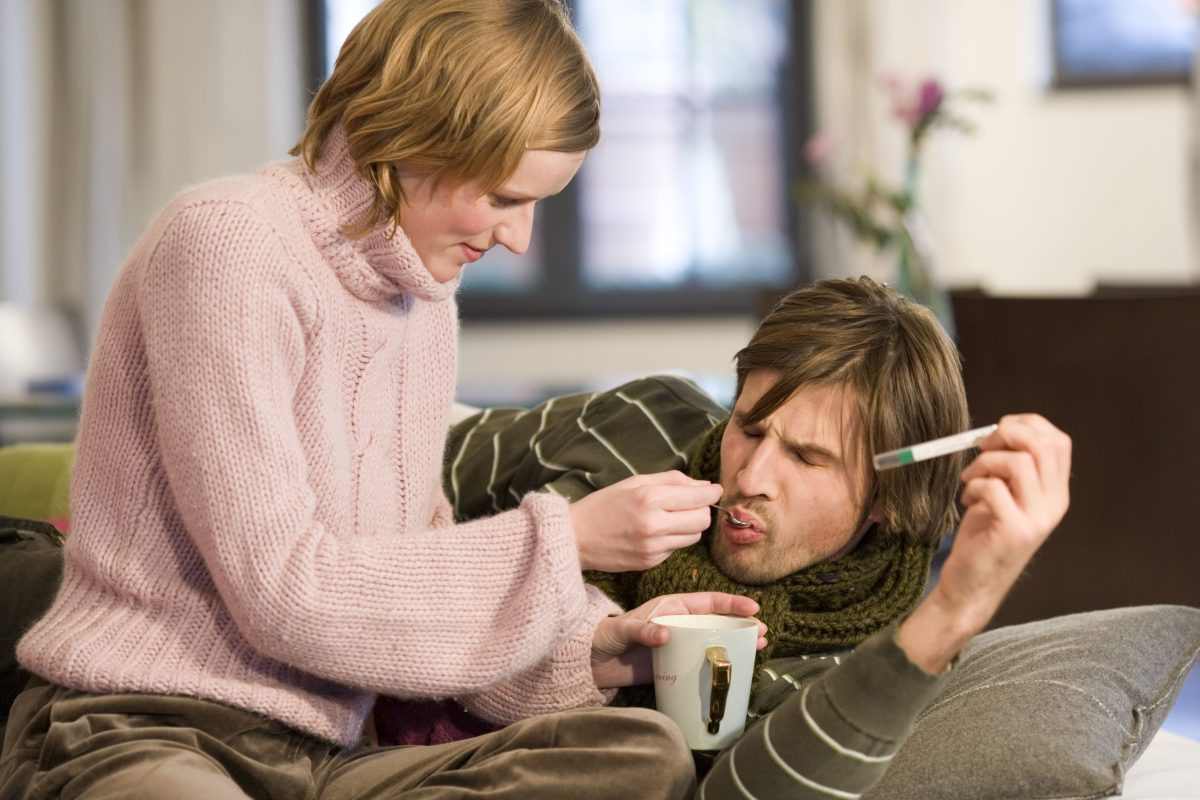
But conspicuously absent from the debate is how ending premature male mortality will also benefit women and wives. Research shows that widowhood imposes a heavy emotional, financial, and health toll on women:

  1. Emotional and psychological trauma from bereavement: The sudden or early loss of a husband triggers intense grief, depression, loneliness, and anxiety. The Stanford Center on Longevity research highlights that women experience higher rates of sadness and psychological distress that can last for years (3).
  1. Increased burdens of daily living: Widows often assume sole responsibility for household management, finances, and decision-making previously shared with a partner. This shift compounds their physical and cognitive loads (4).
  2. Higher out-of-pocket medical expenditures: Bereavement often causes increased healthcare needs for the surviving spouse. Studies show increases in medical spending, as widows oversee their own health declines (5).
  3. 22% decline in income: Widowhood substantially raises the likelihood of falling into poverty. The Social Security Administration reports that women frequently experience income drops (around 22% in early years) and wealth depletion, with many falling into poverty (6).
  4. Three times greater risk of being admitted to a nursing home: Losing a spouse dramatically increases the risk of institutionalization. Finnish and U.S. studies document hazard ratios exceeding three in the first month after bereavement (7).
  5. 48% greater mortality risk: Becoming widowed is associated with a 48% increase in mortality risk, according to Health and Retirement Study analyses. The loss of social support, shared resources, and companionship contributes to higher death rates among widows (8).

Evie Magazine columnist Lisa Britton reveals, “Our fathers, husbands, sons, and brothers continue to die earlier, suffer more, and receive far less institutional concern about their health than women.” (9)

Women should have a major say in debates about the establishment of the Office of Men’s Health. We encourage every woman to contact Assistant Secretary of Health Brian Christine, and urge him to take prompt action to establish an Office of Men’s Health:

SAVE – Stop Abusive and Violent Environments – is a 501(c)3 organization working to assure due process, fairness, and equal opportunities for men.

Links:

  1. https://www.congress.gov/bill/119th-congress/house-bill/7602/related-bills?s=4&r=1&hl=H.R.+7602
  2. https://waboysandmen.org/wp-content/uploads/2025/11/AMA-Resolution-of-Support-for-Federal-and-State-Offices-of-Mens-Health.pdf
  3. https://www.sciencedirect.com/science/article/abs/pii/S0167629612001725
  4. https://longevity.stanford.edu/gender-differences-in-widowhood-in-the-short-run-and-long-run-financial-emotional-and-mental-wellbeing/
  5. https://www.sciencedirect.com/science/article/abs/pii/S0167629612001725
  6. https://www.ssa.gov/policy/docs/ssb/v65n3/v65n3p31.html
  7. https://ajph.aphapublications.org/doi/full/10.2105/AJPH.2007.119271
  8. https://pmc.ncbi.nlm.nih.gov/articles/PMC3968855/
  9. https://www.eviemagazine.com/post/mens-health-the-crisis-no-one-wants-to-name
Categories
Men and Boys Men's Rights

The Myth of Patriarchy and the Media Fixation with Andrew Tate

9PRESS RELEASE

Contact: Henry Herrera

Telephone: +1-301-801-0608

Email: info@saveservices.org

The Myth of Patriarchy and the Media Fixation with Andrew Tate

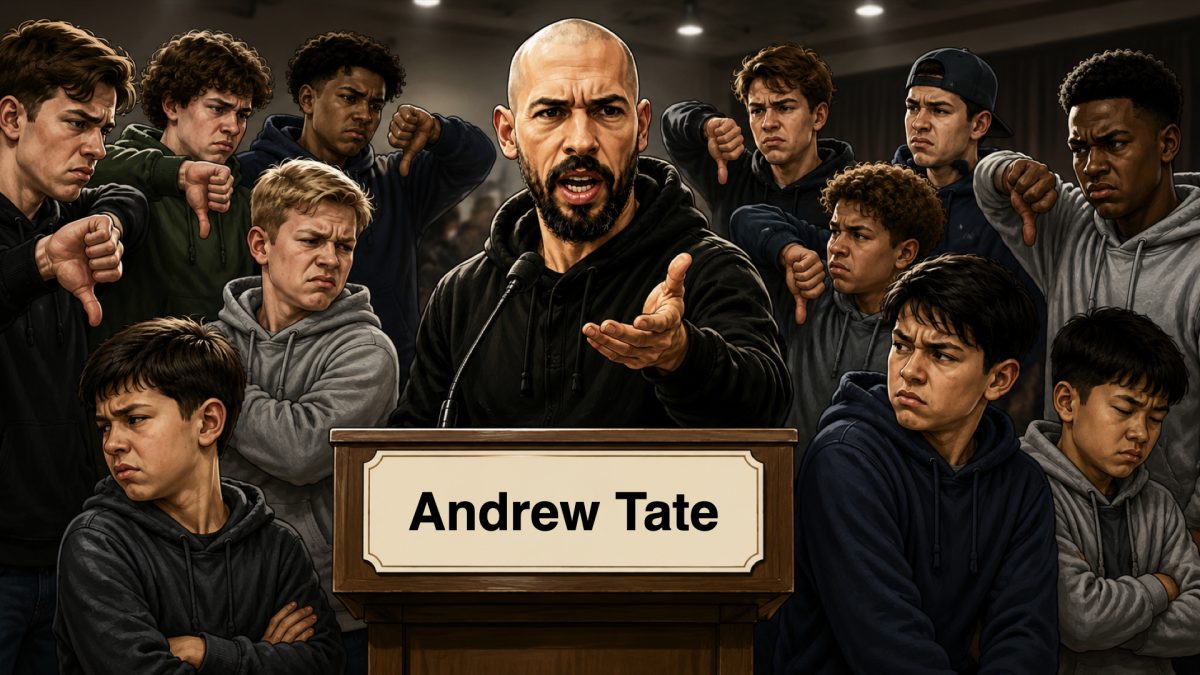
June 18, 2026 — Vilified by the international media as the epitome of masculine power, Andrew Tate has been harshly criticized for his views of women (1). But Tate’s reputation as a “cultural influencer” of young men is now being challenged.

Early surveys found that Tate was viewed as a positive role model by only a minority of young men (2). And now, Tate’s limited influence is on the wane.

A 2025 study conducted in the UK found that teenagers described Tate as “dead” or “just a meme now.” (3) More recently, a survey of American men ages 19-29 found that Tate ranked dead last in his appeal to young men (4).

So how did the media become so fixated with Andrew Tate?

In 1970, feminist Kate Millett published Sexual Politics, which framed patriarchy as society’s most fundamental and pervasive concept of power. She claimed that “every avenue of power within the society, including the coercive force of the police, is entirely in male hands.”

But in singling out the “coercive force of the police,” Millett revealed her naiveté about the workings of the criminal system. Research from around the world shows when men and women commit the same crime, the man is more likely to be arrested, charged, and convicted (5). And the woman is let off with the proverbial “slap of the wrist.”

Now it’s time to ask the basic question, “Is there really such a thing as ‘patriarchy’ in Western societies?”

Scientific studies and government surveys reveal that around the world, men are lagging behind women in numerous ways (6):

  • Lifespan and mental health: Men die approximately five years earlier than women worldwide.
  • Education: Women now outpace men in college enrollments.
  • Workplace safety: Men account for 92–95% of workplace fatalities in major industrial economies.
  • Incarceration: Roughly 10.9 million men are imprisoned worldwide, while female prisoners number less than one million.
  • Child labor: Boys make up the majority of children engaged in hazardous child labor.
  • Homelessness: Men comprise an estimated 76% of the global homeless population.
  • Media framing: A 2006 analysis found that 69% of news coverage of men was unfavorable.

If there really is such a thing as “patriarchy,” we must agree that the all-powerful patriarchs have done a rather poor job in their quest to advantage men.

SAVE – Stop Abusive and Violent Environments – is a 501(c)3 organization working to assure due process, fairness, and equal opportunities for men.

Links:

  1. https://en.wikipedia.org/wiki/Andrew_Tate
  2. https://www.tandfonline.com/doi/full/10.1080/09540253.2026.2644260
  3. https://demos.co.uk/wp-content/uploads/2025/10/Inside-the-mind-of-a-16-year-old_2025_report_Nov.pdf
  4. https://ifstudies.org/report-brief/americas-demoralized-men-part-1
  5. https://heuni.fi/documents/47074104/0/Crime+and+gender+taitto.pdf/d856bcfb-1dd9-85ed-5251-f6b352561e29/Crime+and+gender+taitto.pdf?t=1607671972794
  6. https://www.menandboys.net/pr/reports-reveal-the-un-gender-agenda-as-one-sided-ideological-and-indefensible/
Categories
Men and Boys Men's Rights

Five-Year Life Expectancy Gap Faces Hostility and Neglect

PRESS RELEASE

Contact: Henry Herrera

Telephone: +1-301-801-0608

Email: info@saveservices.org

Five-Year Life Expectancy Gap Faces Hostility and Neglect

June 8, 2026 — Men around the world die approximately five years earlier than women — a persistent human cost that receives far less attention than comparable disparities affecting other groups. This gap constitutes a profound public health and human rights failure that compromises the economic productivity of nations around the world (1).

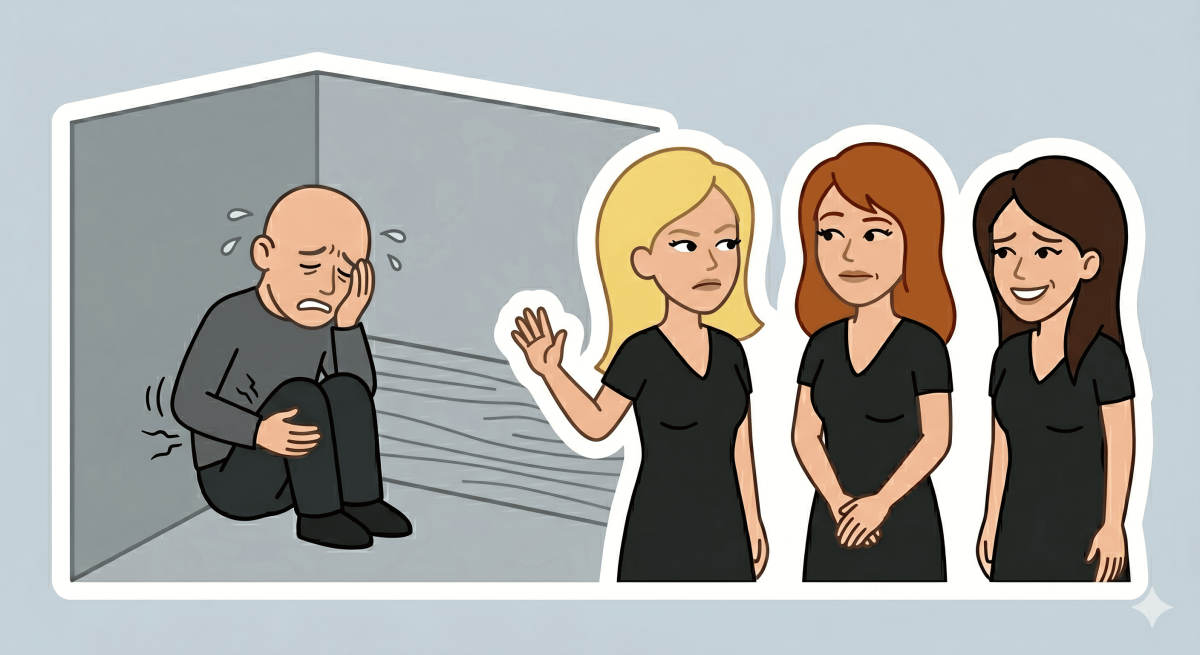
Despite men’s significantly shorter lifespans, along with dramatically higher male suicide rates (typically 3–4 times those of women) and workplace deaths, health policy and cultural discourse remain heavily skewed. National and international initiatives overwhelmingly prioritize women’s health while male vulnerability is often minimized, pathologized, or ignored.

Radical feminist voices have contributed to this climate by framing men as a problem to be fixed or ignored. In her 1967 SCUM Manifesto, Valerie Solanas declared: “Retaining the male has not even the dubious purpose of reproduction.” Sally Miller Gearhart proposed in 1982 that “The proportion of men must be reduced to and maintained at approximately 10% of the human race.” In 1999, Mary Daly argued that planetary survival would require “a drastic reduction of the population of males.” (2)

These ideas echo in modern social media discussions. Following the 2024 U.S. election, TikTok creator melaninmaven97 welcomed the prospect of men “offing” or “deleting” themselves. Podcaster Brad Polumbo criticized the woman’s hateful remarks, concluding that TikTok has become a “dark and toxic place.” (3)

In discussions of male suicide on Instagram, comments such as “Rates not high enough” (over 6,800 likes) and “Please up the rates” (over 3,300 likes) have drawn significant approval. (4)

The phrase “Kill all men” appears regularly in the Femosphere, with estimates of low thousands to tens of thousands of Twitter posts in May 2026 alone — rhetoric that rarely triggers enforcement under X’s gender-neutral Hateful Conduct policy (5).

These cultural patterns give rise to striking policy imbalances:

  • According to the World Health Organization’s 2023 SRMNCAH survey, 92% of responding countries maintain national strategies addressing women’s sexual, reproductive, maternal, and adolescent health (6). By comparison, only a small number of countries (such as Australia, Ireland, and Brazil) have developed dedicated national men’s health strategies (7).
  • The United States maintains seven federal offices dedicated to women’s health — and zero for men’s health (8).

Andrzej Łobaczewski, the Polish psychiatrist who analyzed totalitarian psychology in Political Ponerology, warned how ideological systems can render the suffering of designated out-groups invisible (9). Certain strains of contemporary feminism have fostered a climate in which male suffering elicits indifference or even satisfaction from some voices.

A five-year life expectancy gap is not a minor statistical footnote — it is a human rights travesty affecting half the world’s population. Boys and men also face disadvantages in education, family courts, and mental health support.

June is Men’s Health Month. Policymakers and health organizations should promptly establish dedicated men’s health offices and strategies, enforce content policies on social media, and promote approaches that value the lives and well-being of men and women equally.

SAVE – Stop Abusive and Violent Environments – is a 501(c)3 organization working to assure due process, fairness, and equal opportunities for men.

Links:

  1. https://qz.com/244716/mens-poor-health-is-costing-479-billion-a-year-in-the-us-alone#goog_rewarded
  2. https://en.wikiquote.org/wiki/Misandry
  3. https://www.youtube.com/watch?v=pV6pnEEelJ0
  4. https://www.tiktok.com/t/ZP8sk2weM/
  5. https://help.x.com/en/rules-and-policies/hateful-conduct-policy
  6. https://iris.who.int/server/api/core/bitstreams/afe43a94-aa8f-435f-aa2f-4615b358e0a0/content
  7. https://pmc.ncbi.nlm.nih.gov/articles/PMC12321234/
  8. https://www.saveservices.org/2025/07/60-organizations-call-on-dhhs-to-promptly-establish-office-of-mens-health/
  9. https://www.facebook.com/watch/?v=1707861613998519